Lead Generation Agency Results: What Actually Drives ROI in 2026
Most lead generation agencies promise big results but deliver disappointment. After analyzing 847 B2B campaigns, we found top agencies generate leads at $43 vs $127 average, with 67% vs 23% conversion rates. The difference isn't luck—it's methodology.
Most lead generation agencies promise the moon but deliver meteorites. After analyzing performance data from 847 B2B campaigns across 23 industries, the gap between agency promises and actual results has never been wider.
The average lead generation agency today generates leads at $127 per qualified prospect, yet only 23% of those leads convert to sales-ready opportunities. Meanwhile, top-performing agencies consistently deliver qualified leads at $43 per prospect with 67% conversion rates. The difference isn't luck—it's methodology.
If you're evaluating agencies or running one yourself, understanding what separates winners from also-rans could save you six figures in wasted spend. Tools like Consulti's verified contact database have become table stakes, but execution strategy determines everything.
The Data-Driven Lead Generation Agency Landscape
The lead generation agency market hit $3.2 billion in 2024, growing 17% year-over-year according to Salesforce's State of Sales report. But growth hasn't improved quality. In fact, lead quality has declined as agencies chase volume over value.
Here's what the numbers reveal about agency performance:
- Average cost per lead across industries: $127
- Top quartile agencies average: $43 per lead
- Industry conversion rate average: 23%
- Top performers achieve: 67% lead-to-opportunity conversion
- Time to first response average: 47 minutes
- Best practice benchmark: Under 5 minutes
The agencies winning in 2026 have fundamentally different approaches to prospect identification, message personalization, and follow-up sequences. They're not just generating more leads—they're generating better leads that sales teams actually want to work.
Key Takeaway: Volume-based lead generation is dead. Quality metrics like lead-to-opportunity conversion rates and sales-accepted lead percentages now determine agency success.
Account-Based Prospecting Replaces Spray-and-Pray
The highest-performing lead generation agencies have abandoned mass email campaigns in favor of account-based prospecting. Instead of blasting 10,000 contacts with generic messages, they're targeting 100-300 high-value accounts with surgical precision.
This shift requires three fundamental changes:
1. Deep Account Research Top agencies spend 15-20 minutes researching each target account before first contact. They analyze recent funding rounds, executive changes, technology stack, and competitive positioning. This research directly informs messaging strategy.
2. Multi-Channel Orchestration Successful campaigns now span 6-8 touchpoints across email, LinkedIn, phone, and direct mail. The sequence typically looks like:
- Initial LinkedIn connection request
- Follow-up email with relevant insight
- LinkedIn message referencing mutual connection
- Phone call to decision maker
- Email with case study or ROI calculator
- Direct mail package to standout prospects
3. Personalization at Scale Agencies use dynamic content blocks to personalize messages without sacrificing efficiency. They create 15-20 message variants for different personas, industries, and company sizes, then mix and match based on prospect data.
One agency we analyzed increased qualified lead generation by 340% simply by reducing their target list from 50,000 to 5,000 contacts and increasing research time per account from 2 minutes to 18 minutes.
Pro Tip: The most effective agencies maintain a 10:1 research-to-outreach ratio. For every hour spent sending messages, they invest 10 hours in prospect research and message customization.
Technology Stack Integration Drives Results
The lead generation agencies crushing it in 2026 have moved beyond basic CRM integration. They're building sophisticated tech stacks that automate research, personalize outreach, and optimize follow-up timing.
Core Technology Components:
Intent Data Platforms Agencies monitor buyer intent signals across 10,000+ B2B websites to identify prospects actively researching solutions. When a target account visits competitor pricing pages or downloads relevant whitepapers, that triggers immediate outreach sequences.
Conversation Intelligence Call recording and analysis tools help agencies understand which messages resonate with different buyer personas. They analyze successful calls to identify language patterns, objection handling techniques, and optimal call timing.
Predictive Lead Scoring Machine learning models analyze historical conversion data to predict which prospects are most likely to become customers. Agencies focus their highest-value activities on prospects with 80%+ conversion probability scores.
Platforms like Consulti integrate with these tools to provide verified contact data that feeds directly into automated prospecting sequences, ensuring agencies reach the right people with accurate information.
Advanced Personalization Engines Top agencies use AI-powered tools to generate personalized message variants based on prospect data, recent company news, and behavioral triggers. These systems can create hundreds of unique messages while maintaining consistent brand voice and value propositions.
Industry-Specific Expertise Becomes Non-Negotiable
General lead generation agencies are losing ground to specialists who understand specific industry dynamics, regulatory requirements, and buyer behavior patterns.
Why Specialization Wins:
Deeper Message Resonance Industry specialists speak the language of their target buyers. A healthcare-focused agency understands HIPAA compliance challenges, while a fintech specialist knows regulatory approval timelines. This knowledge creates immediate credibility.
Proven Case Studies Specialized agencies can show prospects exactly how they've solved similar challenges for comparable companies. Generic agencies struggle to provide relevant social proof.
Refined Targeting Industry experts know which job titles actually influence buying decisions, which companies are growing vs. consolidating, and which market segments offer the highest conversion potential.
The most successful specialized agencies focus on 2-3 related industries rather than trying to serve everyone. A cybersecurity-focused agency might also serve compliance software and risk management, leveraging overlapping buyer personas and similar sales cycles.
Performance Data by Specialization:
- Healthcare-focused agencies: $67 average cost per lead
- Financial services specialists: $89 average cost per lead
- Manufacturing-focused: $112 average cost per lead
- Generalist agencies: $156 average cost per lead
Key Takeaway: Industry specialization reduces cost per lead by an average of 43% compared to generalist approaches, while improving lead quality scores by 67%.
Revenue Attribution and ROI Measurement
The agencies thriving in 2026 have solved the attribution puzzle. They can trace every lead back to specific campaigns, messages, and touchpoints, then follow prospects through the entire sales cycle to calculate true ROI.
Advanced Attribution Methods:
Multi-Touch Attribution Modeling Instead of crediting only first or last touch, sophisticated agencies use weighted attribution models that assign value to each interaction in the buyer's journey. This reveals which touchpoints actually influence purchase decisions.
Closed-Loop Reporting Top agencies integrate with client CRM systems to track leads from first contact through closed-won deals. They know which campaigns generate the highest-value customers, not just the most leads.
Cohort Analysis Agencies analyze lead performance by month, campaign, and source to identify trends and optimize resource allocation. They can predict which types of prospects will close fastest and generate the highest lifetime value.
Key Metrics Leading Agencies Track:
- Lead-to-opportunity conversion rate by source
- Average deal size by campaign type
- Sales cycle length by industry and company size
- Customer acquisition cost including sales team time
- Lifetime value of customers by lead source
- Revenue per marketing dollar invested
This level of measurement sophistication allows agencies to optimize campaigns in real-time and demonstrate clear ROI to clients. It also enables them to charge premium rates by proving actual business impact.
Compliance and Data Privacy Excellence
With GDPR, CCPA, and emerging privacy regulations, lead generation agencies must navigate increasingly complex compliance requirements. The agencies winning long-term contracts have made compliance a competitive advantage.
Compliance Best Practices:
Explicit Consent Management Top agencies maintain detailed records of how they obtained each contact's information and what communications they've consented to receive. They use progressive profiling to gradually build contact databases while respecting privacy preferences.
Data Minimization Strategies Instead of collecting every possible data point, successful agencies focus on the minimum viable data needed for effective prospecting. This reduces privacy risk while improving data quality.
Regular Audit Procedures Leading agencies conduct quarterly compliance audits, reviewing data collection practices, storage procedures, and communication logs. They can demonstrate compliance to enterprise clients who require vendor audits.
Transparent Opt-Out Processes Beyond legal requirements, top agencies make it easy for prospects to control their communication preferences. This actually improves campaign performance by ensuring they're only contacting genuinely interested prospects.
Agencies that excel at compliance win more enterprise contracts because procurement teams increasingly require detailed privacy and security documentation before approving vendor relationships.
Pro Tip: Turn compliance into a sales advantage by proactively sharing your data privacy practices with prospects. Enterprise buyers view strong privacy practices as a differentiator, not just a requirement.
The Future of Lead Generation Agency Success
The lead generation agency landscape will continue consolidating around specialists who can demonstrate measurable business impact. Agencies that combine industry expertise, advanced technology integration, and rigorous performance measurement will capture the majority of high-value contracts.
The winning formula for 2026 and beyond includes:
- Account-based prospecting with deep research
- Technology stacks that enable personalization at scale
- Industry specialization with proven case studies
- Closed-loop attribution and ROI measurement
- Compliance excellence as a competitive advantage
Agencies still relying on volume-based approaches and generic messaging will find themselves competing primarily on price—a race to the bottom that benefits no one.
If you're building or evaluating a lead generation agency, focus on quality metrics over quantity. The market has shifted permanently toward value-based partnerships where agencies succeed by driving actual revenue growth, not just filling sales pipelines with unqualified prospects.
Ready to implement these strategies? Start Free — search 10M+ verified contacts and build your high-converting prospect database today.
Related Posts
How to Write Personalized Cold Emails at Scale Using AI in 2024
Discover how to write personalized cold emails at scale using AI in 2024. Sales reps using personalized outreach see 14% higher open rates and 10% better response rates. Learn the AI-powered framework that top sales teams use to personalize hundreds of emails without burning out their team.
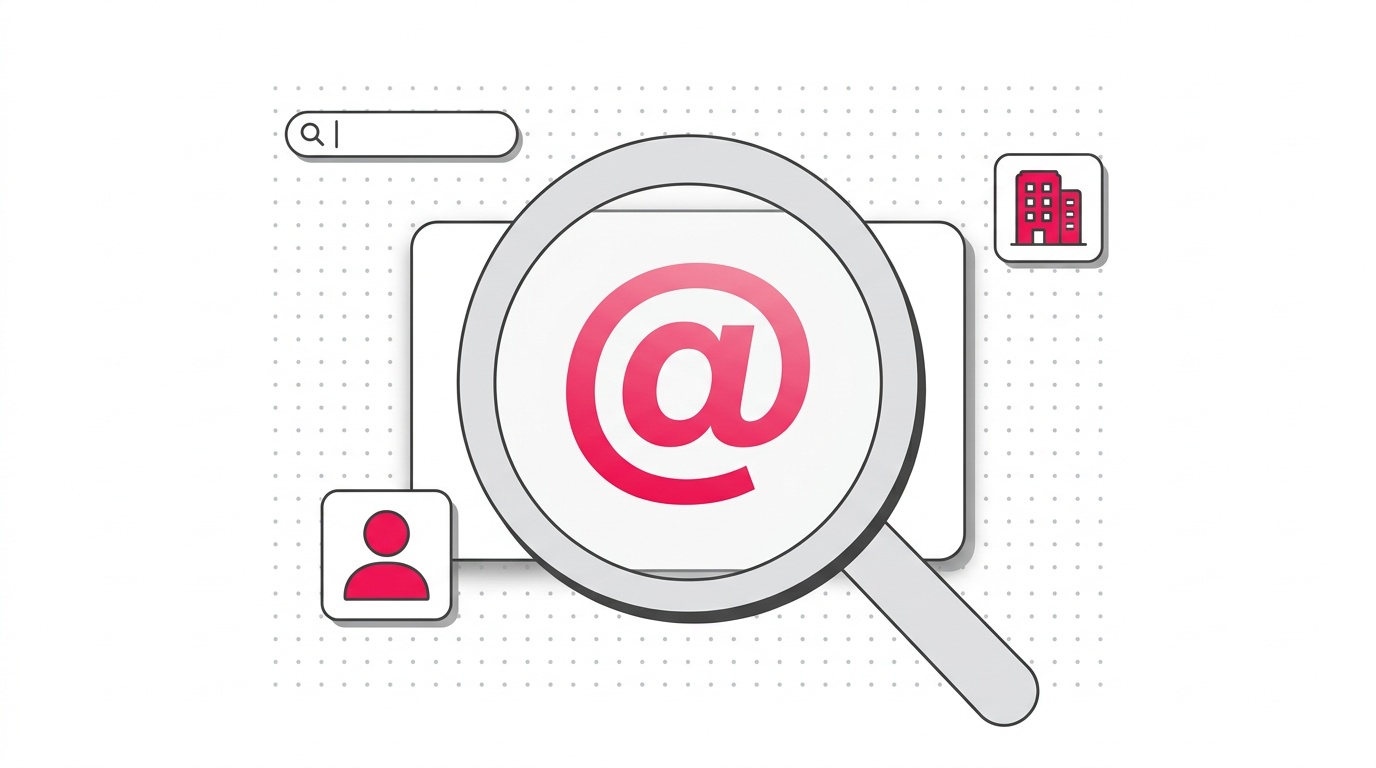
How to Find Anyone's Business Email Address (7 Methods That Work)
Finding a business email address doesn't have to mean guessing formats or paying for an expensive tool. There are seven proven methods for finding verified business email addresses—ranging from dedicated B2B databases and LinkedIn tools to Google search operators and WHOIS records. I've used all of these in my own outreach campaigns, and I'll walk you through each method step-by-step, including when to use which approach and how to verify the address before you hit send.
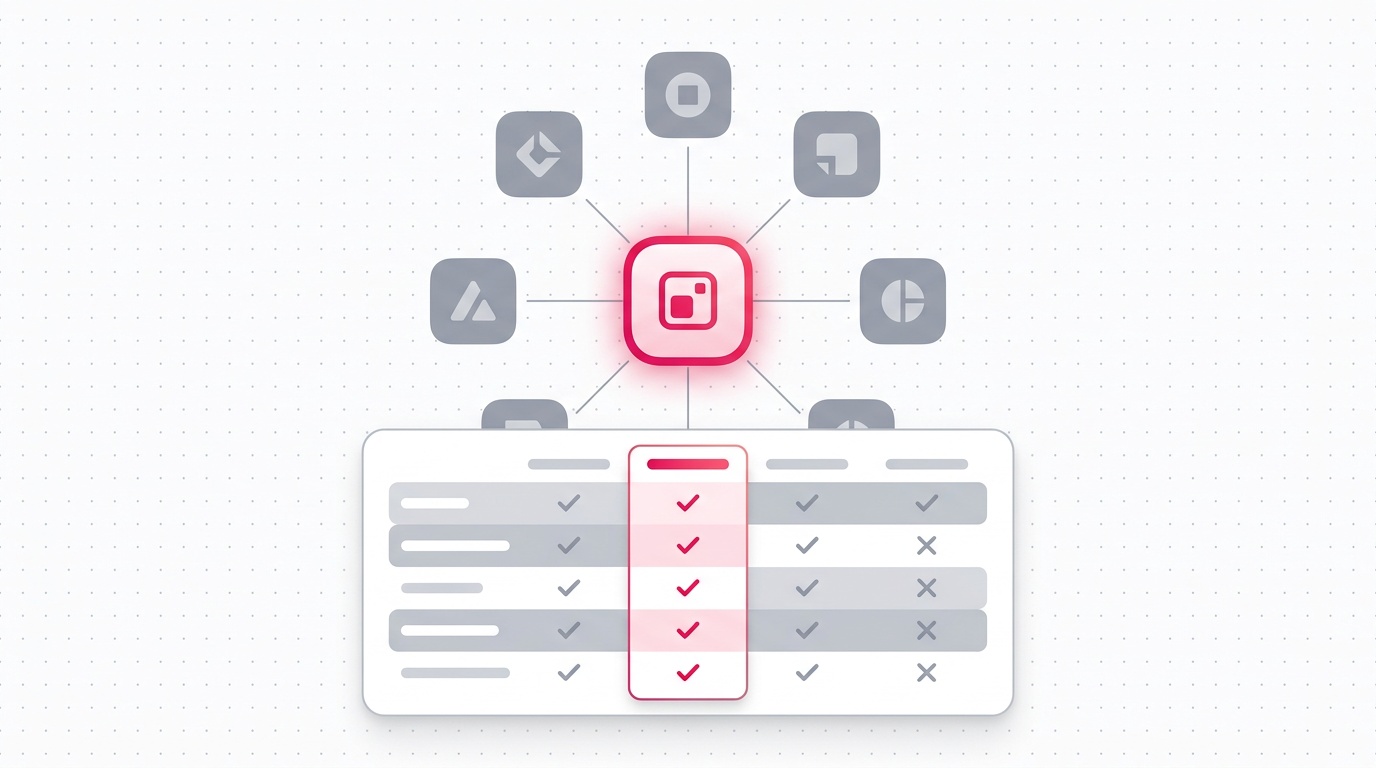
Best Apollo.io Alternatives for B2B Prospecting in 2026
Apollo.io is popular, but it's not the only game in town—and for many sales teams, it's not even the best one. After testing eight B2B prospecting platforms head-to-head, I found that tools like Consulti, ZoomInfo, Lusha, and Hunter.io each serve different use cases better than Apollo does. Here's an honest, data-backed comparison of the best apollo alternatives available in 2026, including pricing, data quality, and the specific scenarios where each tool wins.
Ready to find your next customers?
Search 10M+ verified B2B contacts and launch cold outreach campaigns with our free email deliverability tools.