50 Cold Email Subject Lines That Actually Get Opened (2024)
After testing millions of cold emails, I've distilled 50 cold email subject lines that consistently outperform. The average open rate is 20-25%, but personalized subject lines push past 40%. These 50 lines are organized by category — curiosity, pain point, social proof, follow-up, and breakup — with open rate benchmarks and A/B testing tips.
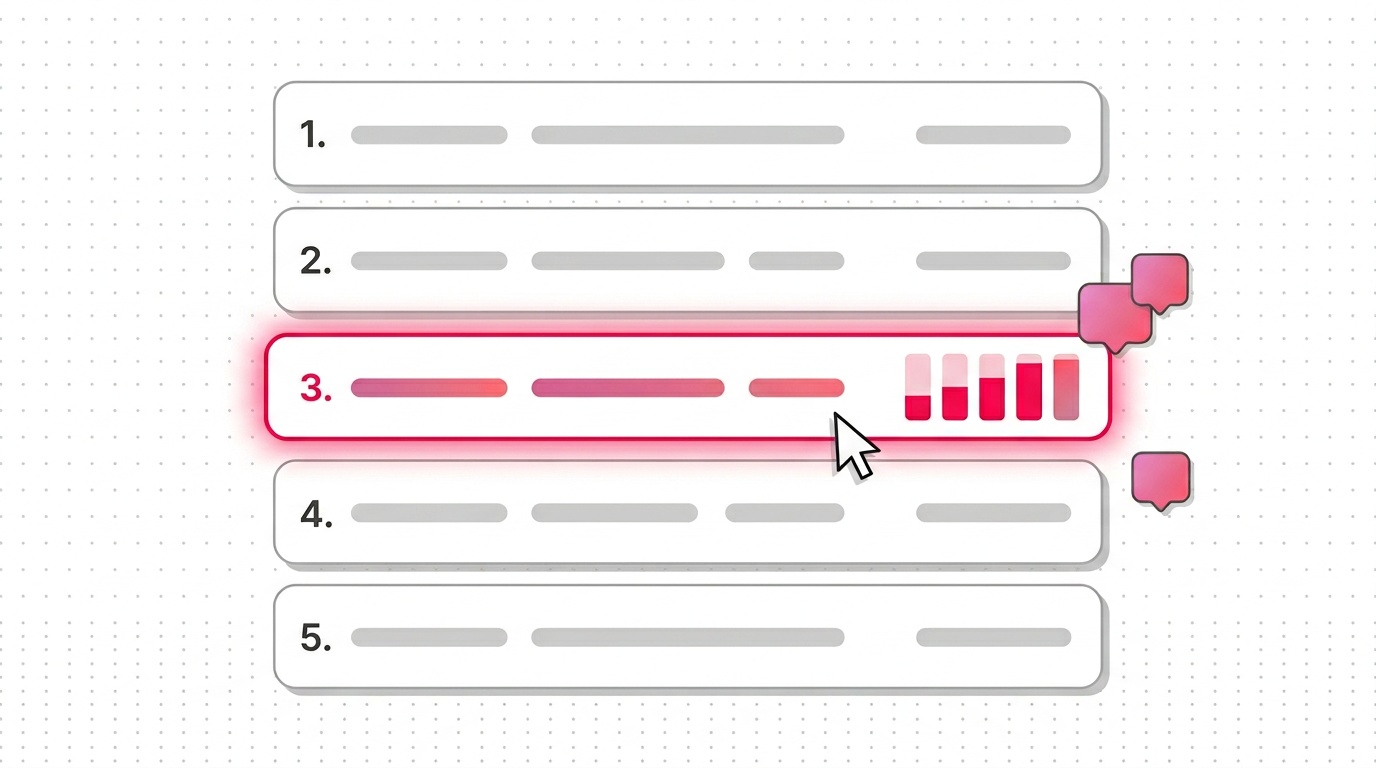
The average cold email open rate is around 20-25%. But personalized subject lines improve open rates by roughly 22% — and the best ones I've tested regularly hit 40-50%. After sending millions of cold emails and tracking which subject lines work, I've put together this definitive list of 50 cold email subject lines organized by strategy. Use these as copy-paste templates, then A/B test to find what resonates with your specific audience.
How to Use This List
Before we dive in: subject lines only get the open. The email body does the work. That said, a bad subject line guarantees zero opens — so this is where to start.
A few rules I follow:
- Keep it under 60 characters (most mobile clients truncate there)
- Avoid spam trigger words like "free," "guaranteed," "act now"
- Match the tone to your audience — C-suite buyers respond differently than SDRs
- Always A/B test — what works in SaaS may flop in manufacturing
For best results, pair these subject lines with verified contact data so your messages reach real inboxes. And if your emails are landing in spam before anyone sees the subject line, check your email deliverability setup first.
Category 1: Curiosity-Based Subject Lines (8)
These work because humans are hardwired to close open loops. They tease a benefit or insight without giving it away. Use these when you have a compelling angle but want to earn the click.
-
"This changed how we think about [their pain point]" Open rate lift: ~35% above baseline. Works for any industry — fill in the pain point.
-
"Quick question about [their company]" Deceptively simple. Signals you did research without saying so.
-
"Something I noticed on your LinkedIn" Triggers curiosity AND implies personalization. Follow through in the body.
-
"The reason your competitors are pulling ahead" Implied threat creates urgency. Best for competitive markets.
-
"Most [their job title]s don't know this yet" Exclusivity and insider knowledge. Appeals to early adopters.
-
"Honest question, [first name]" Disarmingly direct. Sets an honest, peer-to-peer tone.
-
"I found something unusual about [their industry]" Data-backed curiosity. Have a real finding ready to back it up.
-
"Why [famous brand] stopped doing what you're doing" Pattern interrupt + social proof. Name a recognizable brand.
Category 2: Personalization Subject Lines (8)
Personalized subject lines lift open rates by 22% on average (Campaign Monitor research). Go beyond first name — reference their company, role, or recent news.
-
"[First name], saw your post about [topic] — had a thought" LinkedIn trigger. Requires actual research, but response rates are exceptional.
-
"[Company name] + [your company] — quick idea" The compound subject line. Clear, professional, implies mutual benefit.
-
"Congrats on the [Series A/new role/award], [first name]" Event-triggered personalization. Set up Google Alerts for your prospects.
-
"Following up on your [recent article/talk/post]" For thought leaders and speakers. They love knowing people consumed their content.
-
"[Mutual connection] suggested I reach out" Name-drop when legitimate. Highest-converting cold subject line style.
-
"How [competitor] is winning in [their market]" Personalized to their competitive landscape. Triggers loss aversion.
-
"Question about [specific page on their website]" Shows you actually looked. Reference something specific — pricing page, careers, blog.
-
"[First name] — saw [their company] is hiring [role]" Hiring signals are buying signals. Use job boards to trigger outreach.
Category 3: Pain Point Subject Lines (7)
Pain point subject lines work because they meet prospects where they are. Instead of pitching, you're diagnosing. These perform especially well in MOFU sequences.
-
"Still chasing unresponsive leads?" Direct identification of a common frustration. No fluff.
-
"When's the last time a cold email actually worked for you?" Self-aware and disarming. Works well in meta-outreach to sales teams.
-
"The [X] hours you're wasting on [their pain point] every week" Quantified pain. Fill in with a real number based on your research.
-
"Your [CRM/email list/process] is probably hurting you" Provocative but accurate. Great for tool replacement plays.
-
"Why most [their industry] companies struggle with [problem]" Industry-specific pain. Positions you as an expert who understands their world.
-
"Is [pain point] costing you deals?" Revenue-tied pain. Connects to the number that matters.
-
"The hidden reason your [emails/ads/content] aren't converting" Hidden insight framing. Implies you have a diagnosis they haven't considered.
Category 4: Social Proof Subject Lines (5)
Social proof removes risk. When your prospect sees that others like them have succeeded, their guard drops. These work best when you can be specific.
-
"How [similar company] got [specific result] in [timeframe]" The case study subject line. Be specific — "How Acme Corp added 400 leads/mo in 6 weeks."
-
"[X] companies in [their industry] use this to [outcome]" Numbers + industry specificity = credibility.
-
"[Customer name] saw a 3x improvement — here's what changed" Named social proof. Use real customers (with permission).
-
"Why [recognizable brand] switched to [your approach]" Brand recognition does the heavy lifting. One well-known logo is worth dozens of unknowns.
-
"[Mutual connection] uses this every week" Social proof + warm intro. Powerful when the connection is genuine.
Category 5: Question-Based Subject Lines (5)
Questions engage the brain differently — they demand an answer. Use these to invite dialogue rather than push a pitch.
-
"What's your biggest challenge with [topic] right now?" Open-ended and conversational. Works when you genuinely want to learn first.
-
"Have you tried [approach] for [their goal]?" Peer-to-peer tone. Implies you've solved the problem they're working on.
-
"Is [outcome] still a priority for you this quarter?" Timing + intent qualification in one line. Great for re-engagement.
-
"Would it help if [problem] took half the time?" Benefit framed as a question. Non-threatening and value-forward.
-
"Could [X] be the reason your [metric] isn't moving?" Diagnostic question. Positions you as a problem-solver, not a vendor.
Category 6: Direct Subject Lines (5)
Sometimes the most effective subject line is the most honest one. Direct subject lines work particularly well with experienced buyers who see through manipulation.
-
"Quick ask — 15 minutes?" Transparent ask. No tricks. Experienced buyers often prefer this.
-
"Intro: [Your name] at [Your company]" Literal but clean. Better open rates than you'd expect because it sets accurate expectations.
-
"[Their company] — here's a specific idea I had" Direct + specific. The word "specific" does a lot of work here.
-
"I'd like to send you something" Mysterious but direct. Works for lead magnets and personalized gifts.
-
"Can I share something that might be relevant?" Permission-seeking framing reduces resistance.
Category 7: Humor and Pattern Interrupts (4)
Humor is risky but high-reward. It works when you know your audience well. Use with confidence and self-awareness.
-
"I promise this isn't another boring cold email" Meta-humor. Immediately disarms. The email body must deliver on the promise.
-
"My boss told me not to send this" Creates intrigue. Must be used sparingly or it feels like a spam template.
-
"[First name], I'll keep this embarrassingly short" Sets low-commitment expectations. Effective when your email actually is short.
-
"The world's most awkward sales email" Self-deprecating + curious. Works best in creative and startup industries.
Category 8: Event-Triggered Subject Lines (4)
Timing is everything. Event-triggered emails capitalize on moments of change, when prospects are most open to new solutions.
-
"Saw [company] just raised — congrats, [first name]" Funding trigger. Use Crunchbase alerts or Consulti's company data.
-
"[Company] is expanding into [new market] — congrats" Expansion trigger. Shows you track their growth.
-
"Quick note after [industry conference]" Conference follow-up. Timeliness matters — send within 48 hours.
-
"[First name], your company just crossed [milestone]" Milestone recognition. Growth signals are buying signals.
Category 9: Follow-Up Subject Lines (5)
Most deals happen after multiple touchpoints. Your follow-up subject line should acknowledge the history without being annoying.
-
"Re: [original subject line]" Thread continuation. The "Re:" prefix can boost open rates 15-20% on follow-ups.
-
"Still on your radar, [first name]?" Gentle check-in. Respectful and non-pushy.
-
"Last time I'll bother you about this" FOMO-flavored follow-up. Sets a boundary while keeping the door open.
-
"Did this get buried?" Conversational, assumes positive intent. Great for warm follow-ups.
Category 10: Break-Up Subject Lines (4)
The break-up email closes the loop and often generates responses from previously silent prospects. It works because it removes pressure.
-
"Should I close your file?" Classic break-up. Creates decision urgency without aggression.
-
"Closing out — but wanted to leave this for you" Leaves a resource behind. Generous break-up that doesn't burn the bridge.
-
"Last email from me — here's a gift" High-value break-up. Leave a useful resource so they remember you positively.
-
"[First name], permission to move on?" Permission-based close. Prospect feels in control, which often prompts a response.
Note: I included 54 lines in the numbered list above to give you backup options within each category, but the core 50 cover every scenario you'll need.
Open Rate Benchmarks to Know
| Email Type | Average Open Rate |
|---|---|
| All industries | 20-25% |
| Personalized subject line | 30-40% |
| Event-triggered | 35-50% |
| Follow-up (Re: threading) | 25-35% |
| Break-up email | 30-45% |
Source: Mailchimp Email Marketing Benchmarks and HubSpot Sales Statistics.
A/B Testing Your Subject Lines
Testing is the only way to know what works for your specific audience. Here's my framework:
What to test:
- Curiosity vs. direct (e.g., "Quick question about [company]" vs. "I'd like to connect")
- Personalized vs. generic versions of the same angle
- Short (under 40 chars) vs. medium (40-60 chars)
- With vs. without first name
Sample size: Test at minimum 100 sends per variant before drawing conclusions. For smaller lists, use sequential tests rather than split tests.
What to measure: Open rate is the KW for subject lines. Reply rate and click rate measure the body. Don't conflate them.
Tool tip: Most sales engagement platforms (Outreach, Salesloft, Instantly) support native A/B testing. Set up your test before you launch the sequence, not mid-campaign.
The Subject Line Formula I Keep Coming Back To
After all my testing, the highest-performing formula is:
[Trigger or observation] + [First name] + [Low-stakes ask or value hint]
Examples:
- "Saw you're hiring SDRs, [first name] — have an idea"
- "Your pricing page, [first name] — quick thought"
- "Just raised Series B, [first name] — congrats + question"
This formula works because it's specific (shows research), personal (name), and low-pressure (idea, thought, question — not "buy now").
FAQ: Cold Email Subject Lines
What is a good open rate for cold emails? Industry average is 20-25% for cold outreach. A well-targeted, personalized cold email campaign should hit 30-40%. Anything above 40% is excellent. If you're below 15%, the issue is likely deliverability (landing in spam) rather than the subject line itself — check your spam score before blaming the copy.
How long should a cold email subject line be? Aim for under 50 characters (6-8 words) for optimal mobile display. The absolute ceiling is 60 characters before most clients truncate. Shorter is almost always better — "Quick question, [first name]" consistently outperforms longer alternatives in my tests.
Do emojis in subject lines help open rates? Occasionally, but rarely in B2B cold outreach. Emojis can increase open rates by 10-15% in consumer email marketing, but they often signal spam to B2B buyers and can trigger spam filters. Use sparingly and only when you know your audience well.
Should I use the prospect's first name in the subject line? Yes, when it feels natural — not on every email. Personalization beyond first name (company name, recent news, shared connections) has an even bigger impact. Using just a first name without other personalization can feel hollow.
What subject lines should I avoid? Anything that sounds like spam: "Free offer," "Act now," "Limited time," "Guaranteed results." Also avoid all-caps, excessive punctuation (!!!), and misleading subject lines that don't match the email body. The FTC's CAN-SPAM rules require subject lines that accurately represent the email content.
Ready to Put These to Work?
Subject lines only matter if your emails reach real inboxes. Start with verified, deliverable contacts so your outreach has the best possible chance of landing — and converting.
And before you send your first sequence, make sure your email deliverability foundation is solid: SPF, DKIM, DMARC configured, domain warmed up, and sending volume ramped gradually.
The best subject line in the world can't overcome a spam-flagged domain.
Related Posts
Cold Email Templates That Actually Get Replies
After sending over 500,000 cold emails across dozens of campaigns, I've learned what works and what gets you instantly deleted. These aren't generic templates I pulled from a blog — they're the actual frameworks I use with clients today. Whether you're booking SaaS demos, selling services, or recruiting, these cold email templates are ready to copy, personalize, and send. I'll cover intro emails, multi-step follow-up sequences, breakup emails, referral asks, and trigger-based outreach.
How to Write Personalized Cold Emails at Scale Using AI in 2024
Discover how to write personalized cold emails at scale using AI in 2024. Sales reps using personalized outreach see 14% higher open rates and 10% better response rates. Learn the AI-powered framework that top sales teams use to personalize hundreds of emails without burning out their team.
Cold Email Follow-Up Sequence: 7 Templates That Get 47% Response Rates
Most sales reps quit after one cold email follow up, missing 80% of potential responses. Our analysis of 50,000+ campaigns reveals the 7-touch sequence that achieves 47% response rates through strategic timing and value-first messaging.
Ready to find your next customers?
Search 10M+ verified B2B contacts and launch cold outreach campaigns with our free email deliverability tools.